
Farmer First: Cultivating Community Jubilee Through Through Agriculture
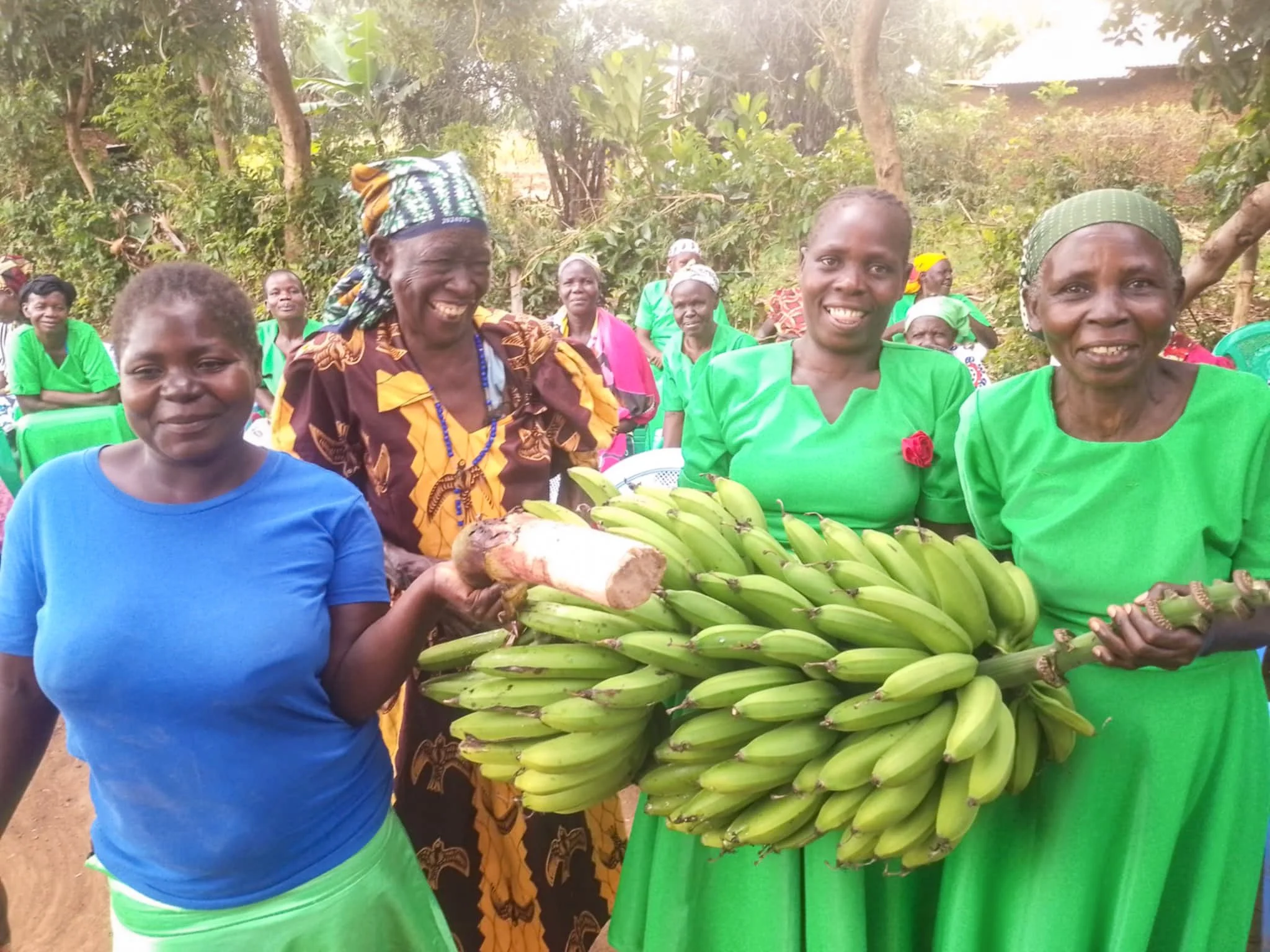
This Farmer First, instead of focusing on a single farmer, we’re focusing on a whole farm!
In much of the world, agriculture is simple: plant seeds, harvest crops, and scrape out a living feeding people.
Jubilee Farms in western Kenya, agriculture is all of that, of course, but it’s also so much more. Thought AgGrandize has no official partnership or work with Jubilee Farms, we are thrilled to spotlight their great work and celebrate all we see God doing through them.
Because at Jubilee, farming is not simply about food production, it’s about dignity. It’s about empowerment. It’s about building Kingdom-driven community for those who’ve been relegated to the edges of society—for widows, orphans, and families facing chronic poverty.
Founded in 2010, Jubilee Farms has grown into a compassionate training center and community hub, where thousands of farmers are equipped not only with practical agricultural skills, but with hope and opportunity for true, sustainable work.
At the heart of this work is Silas, a Kenyan leader whose passion for training and community development has shaped Jubilee Farms from the very beginning.
A Partnership Rooted in Relationship
The story of Jubilee Farms begins with friendship.
Silas, originally from western Kenya, was introduced to Dr. Glenn Fell (whom we’ve featured on the blog here) through a woman named Sherry Watoma. That introduction became the spark.
Glenn recalls:
“I met a woman named Sherry Watoma in Kenya and we stayed in touch, and Sherry ultimately introduced me to Silas. He became a great leader in that community and has now helped train more than 15,000 farmers.”
Silas describes the early days with gratitude:
“I worked with Sherry… and she introduced us. Glenn became so supportive, we began working together, and we started the Farmers Welfare Association to empower and train people on practical, tenable farming.”
From the beginning, Jubilee Farms was never meant to be just a project. It was meant to be a platform for transformation — helping people gain skills, feed their families, and build stable lives through agriculture.
A Demonstration Farm With a Bigger Purpose
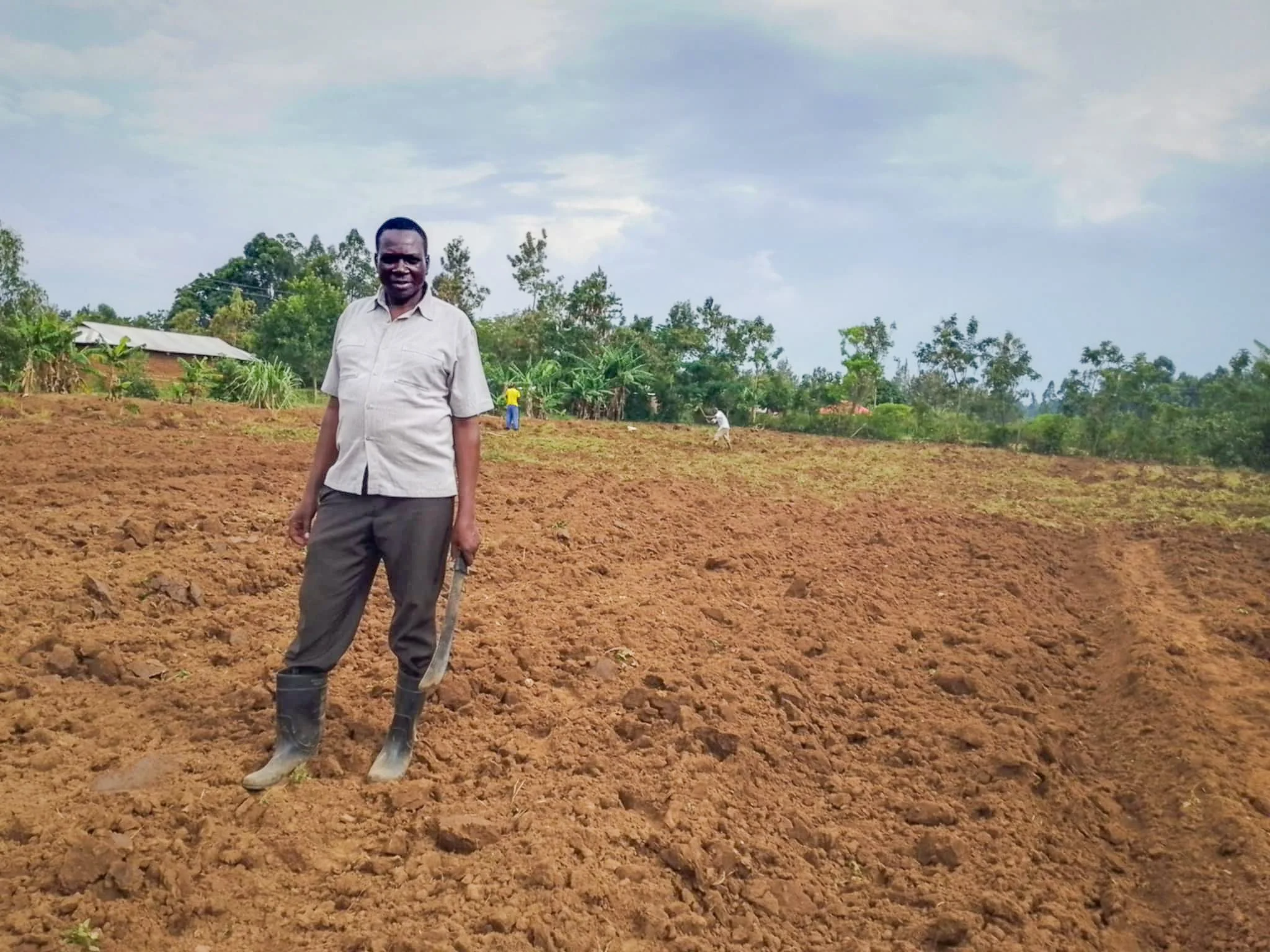
Jubilee Farms operates on a two-acre farm donated to the organization. While the land may be small, its impact is not.
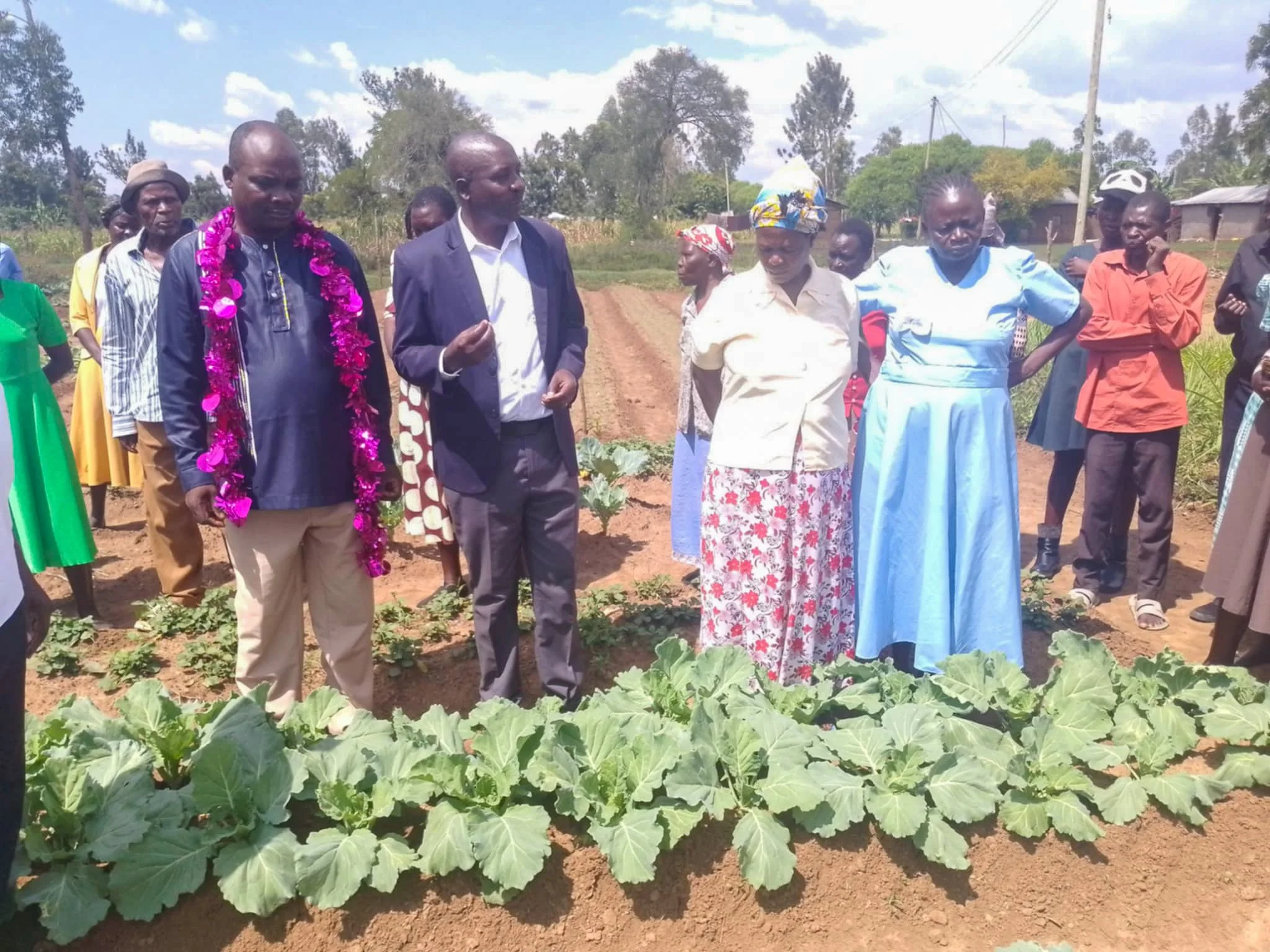
This farm serves as a demonstration and training site — a living classroom where farmers learn sustainable, effective practices they can carry back to their own land.
Silas explains:
“We have a two-acre farm here… and we use it as a demonstration farm. We have our small office here, where I’m speaking to you from.”
This space is more than farmland. It is a center of learning, encouragement, and community connection.
The Most Training for the Least of These: Widows, Youth, and the Vulnerable Poor
One of the most striking aspects of Jubilee Farms is its focus on the overlooked.
Silas shares that Jubilee Farms currently has 10 active training groups in the community:
“Some are widows, some are youth, and there are other affiliate groups in the community. We have 500 members now, with about 250 actively training.”
Agriculture becomes a tool of Kingdom inclusion — a way to bring people back into economic stability and communal belonging.
For widows especially, farming can mean survival. Many widows in rural Kenya face extreme vulnerability: limited access to land, little income, and few support systems.
At Jubilee Farms, they are not forgotten. They are centered.
The Widows’ Group: Focus Ever
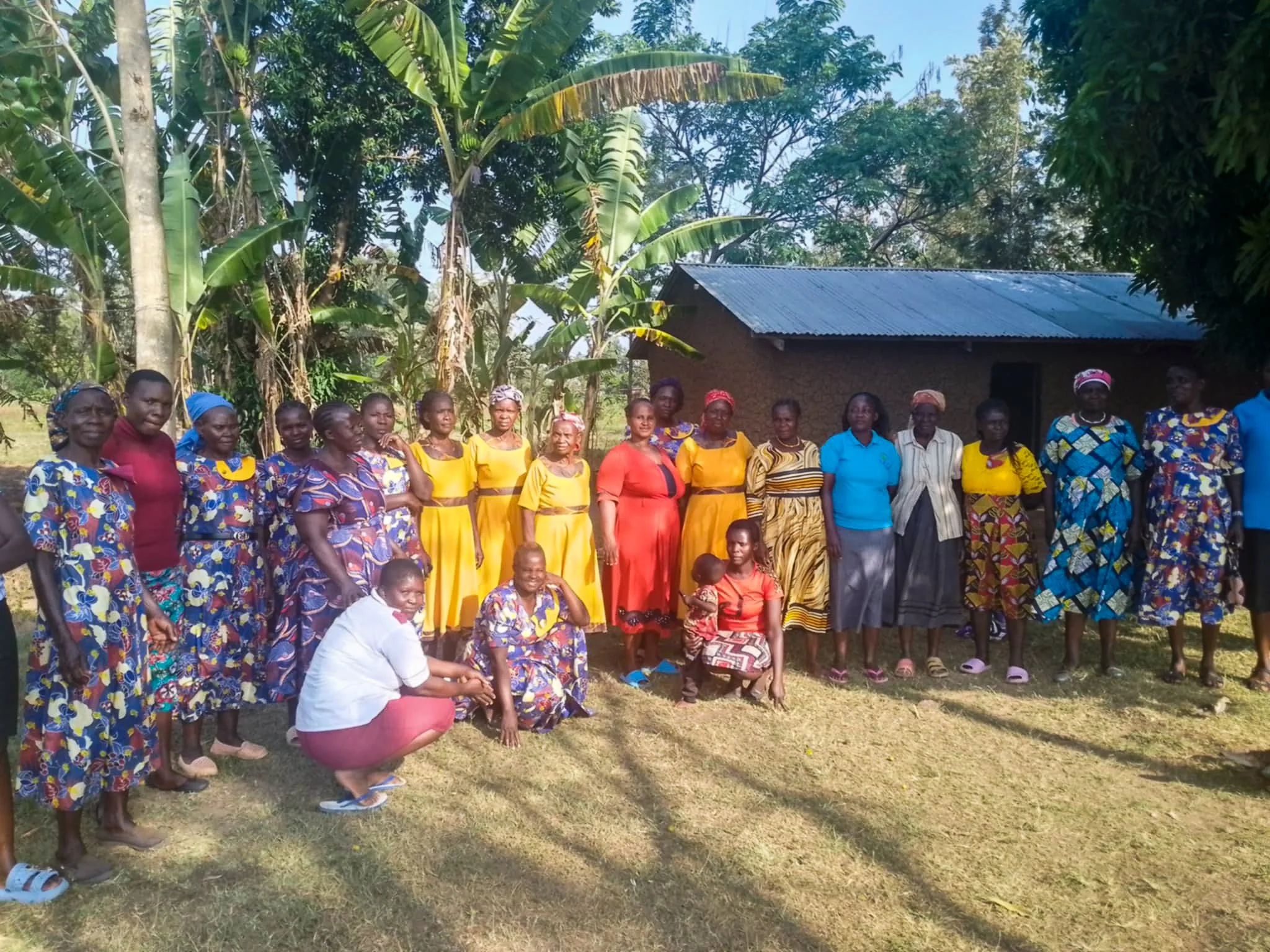
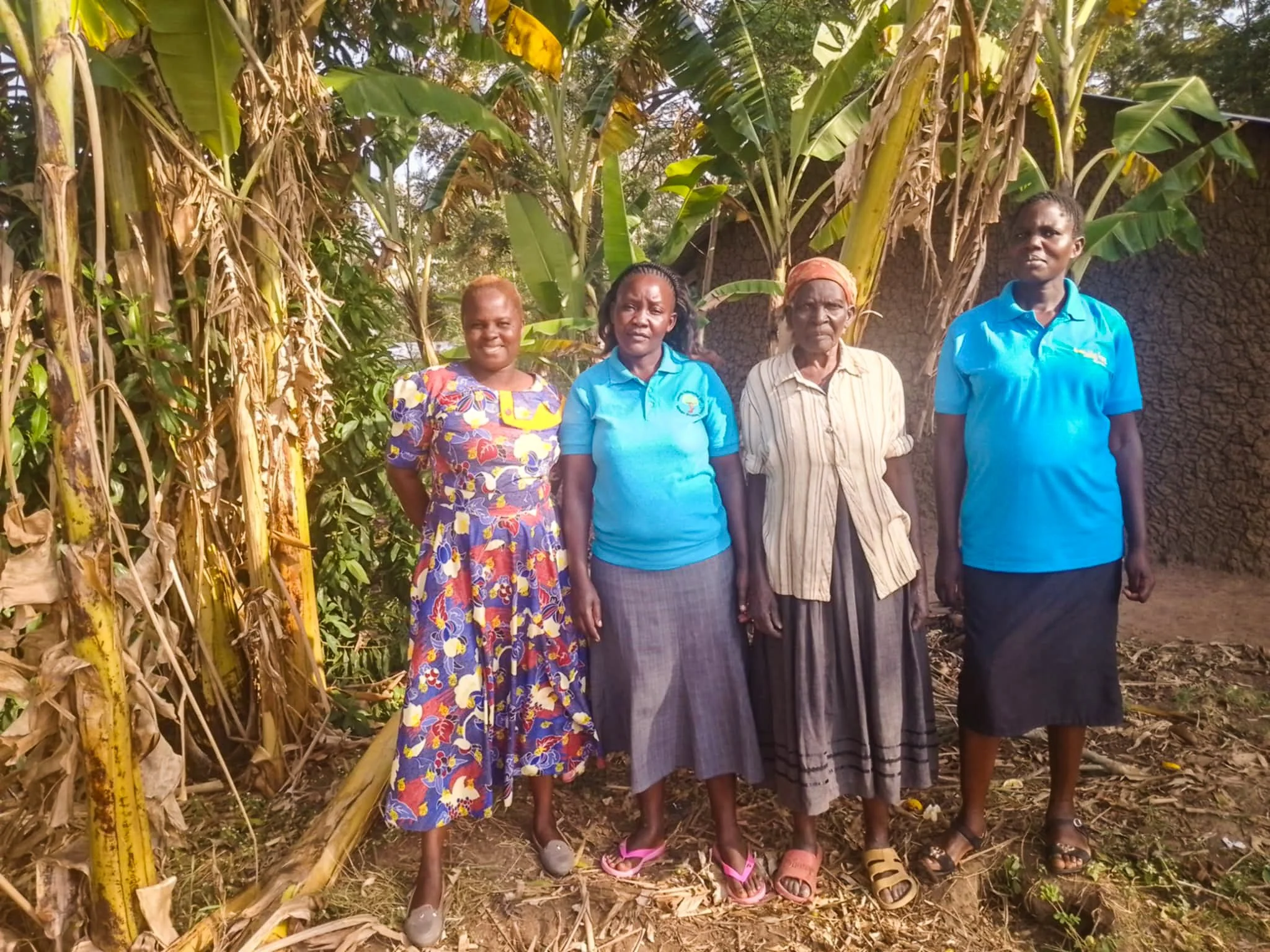
One of Jubilee Farms’ most inspiring initiatives is the widows’ cooperative group called Focus Ever, made up of more than 100 women.
These women gather to work, learn, and support one another — building both food security and solidarity.
Silas describes their shared chant and slogan:
“The widows’ group is called Focus Ever… and they chant this as they gather and work together.”
Their slogan is:
“Bule khule” — meaning:
Free from hunger, poverty, and oppression.
Silas says:
“We sing it together.”
That simple phrase captures the heart of Jubilee Farms: freedom through cultivation, community, and care.
Agriculture and Child Support: A Holistic Vision
Jubilee Farms understands that flourishing is not only about crops — it’s about families.
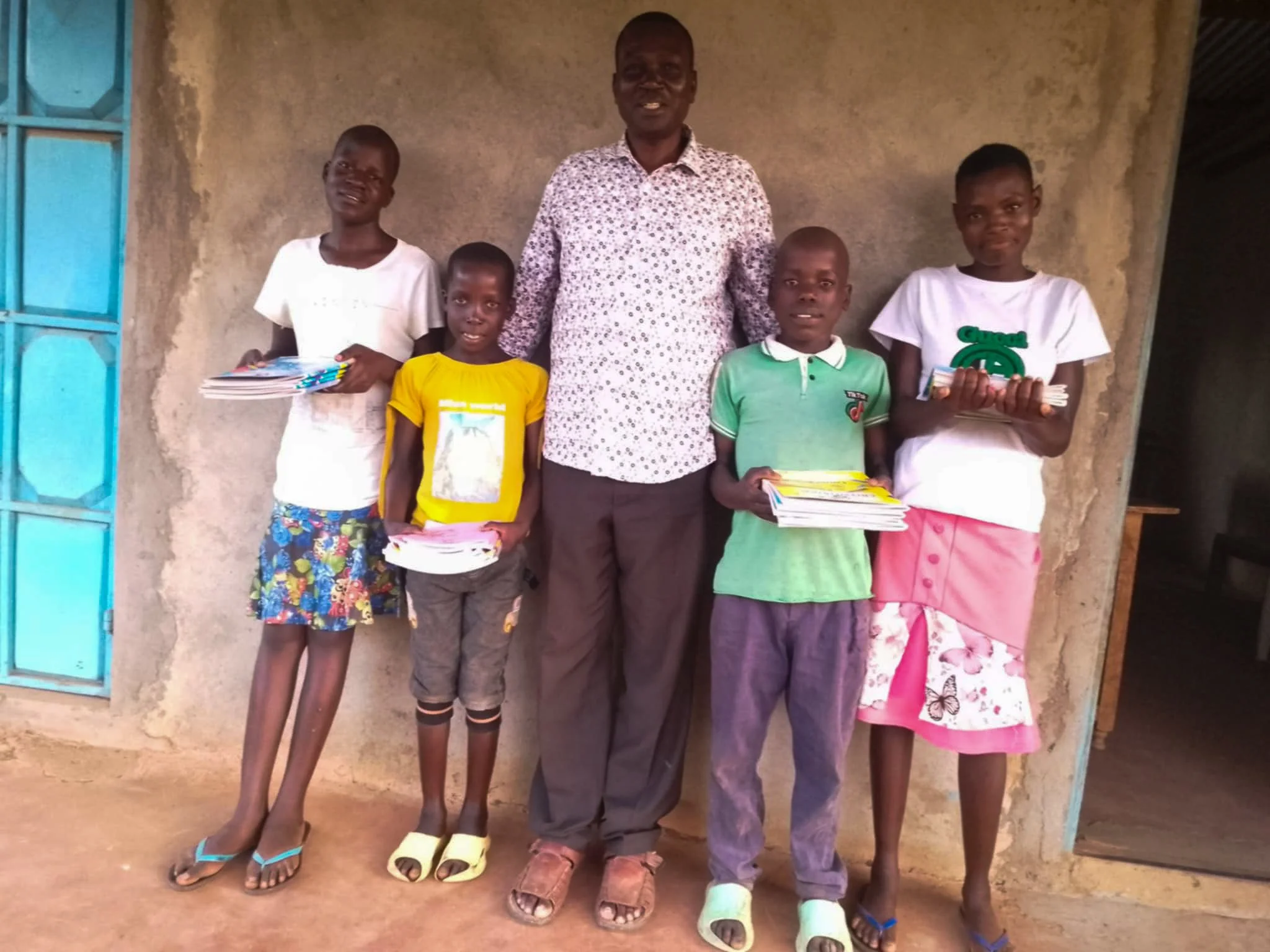
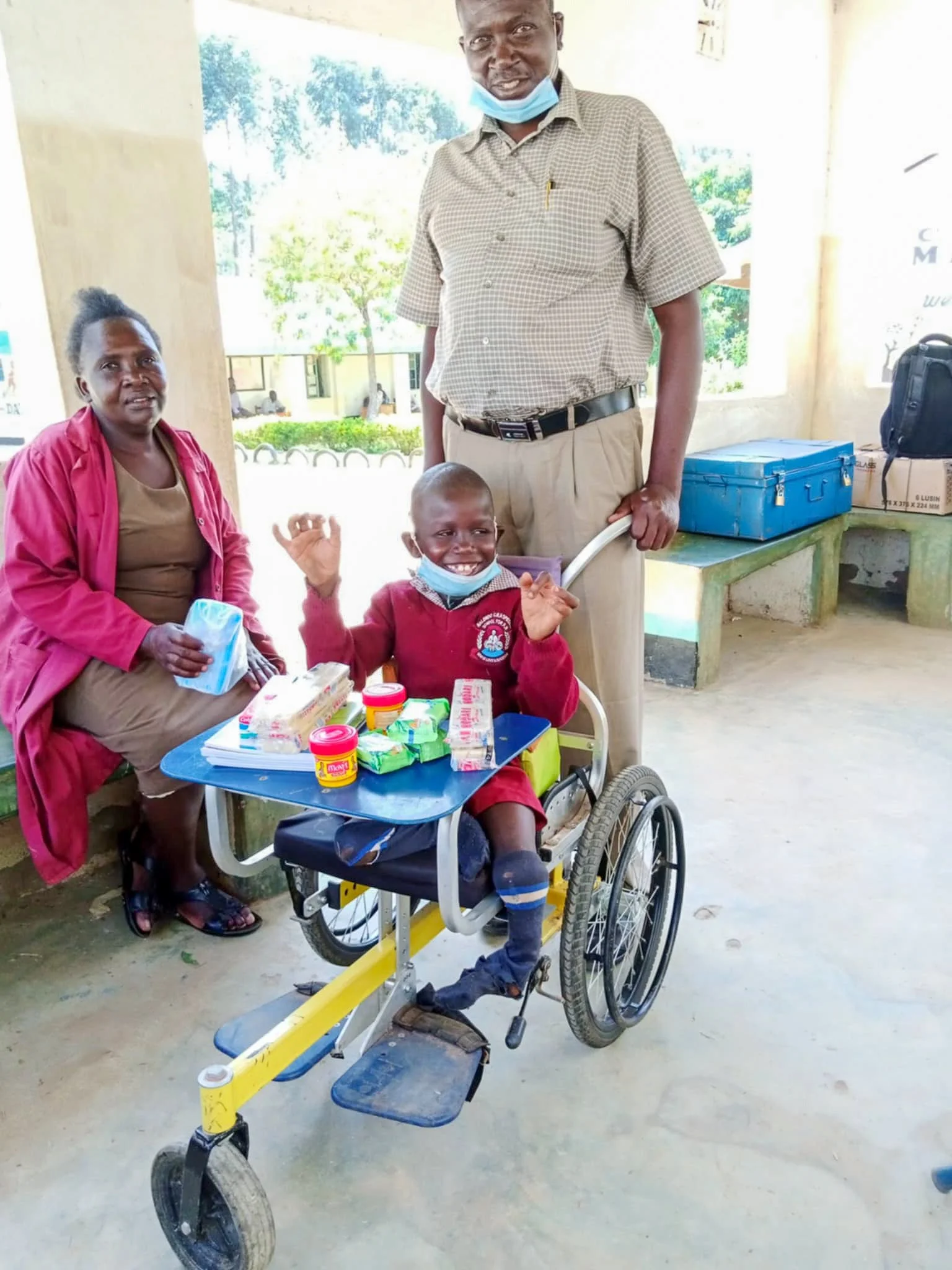
After farm training, the organization also runs an after-school child support program for orphans and physically handicapped children.
Silas explains:
“We support orphans and physically handicapped kids. We help source and provide them with school books, uniforms, and other supplies.”
This is where Jubilee Farms’ work becomes truly holistic. Farming is connected to education, stability, and the next generation’s future.
Even more powerfully, the caretakers of these children are often part of the farm training program themselves:
“The caretakers for these children are part of our farm training program, gaining agriculture skills to help feed themselves and these children.”
In other words: the people caring for vulnerable children are being empowered to sustain their own households.
Agriculture becomes both a livelihood and a lifeline.
Livestock as Empowerment
Sometimes, transformation comes through something as simple and tangible as a chicken.
Silas shares that Jubilee Farms has provided dairy cows to some caretakers:
“We bought two of them dairy cows.”
For rural families, a dairy cow can mean daily nutrition, income from milk sales, and long-term stability.
One of the most encouraging outcomes is seeing children grow up and pursue education:
“One of the supported children has now grown up and is getting a degree in agriculture.”
That is generational impact — a future farmer becoming a future leader.
Inputs Matter: Seeds, Fertilizer, and Practical Support
Jubilee Farms recognizes a key truth: training alone is not enough if farmers lack resources.
Silas explains:
“People can receive great training, but if they don’t have quality inputs, their farm is still in trouble.”
The main crop in the region is maize, so Jubilee Farms provides farmers with quality seed and fertilizer to help ensure success.
This is practical compassion — meeting real needs with real tools.
The Chicken Project: Small Animals, Big Change
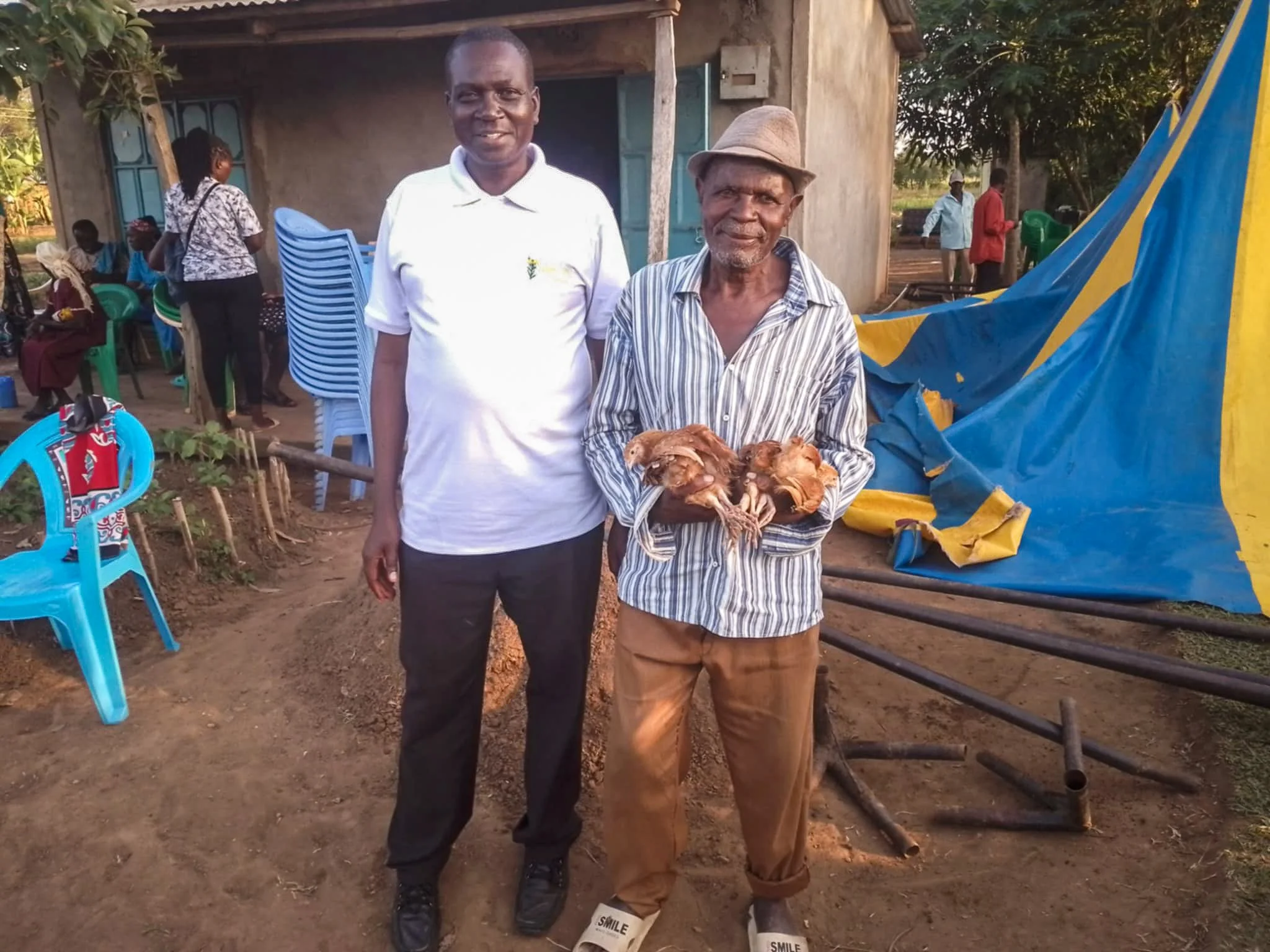
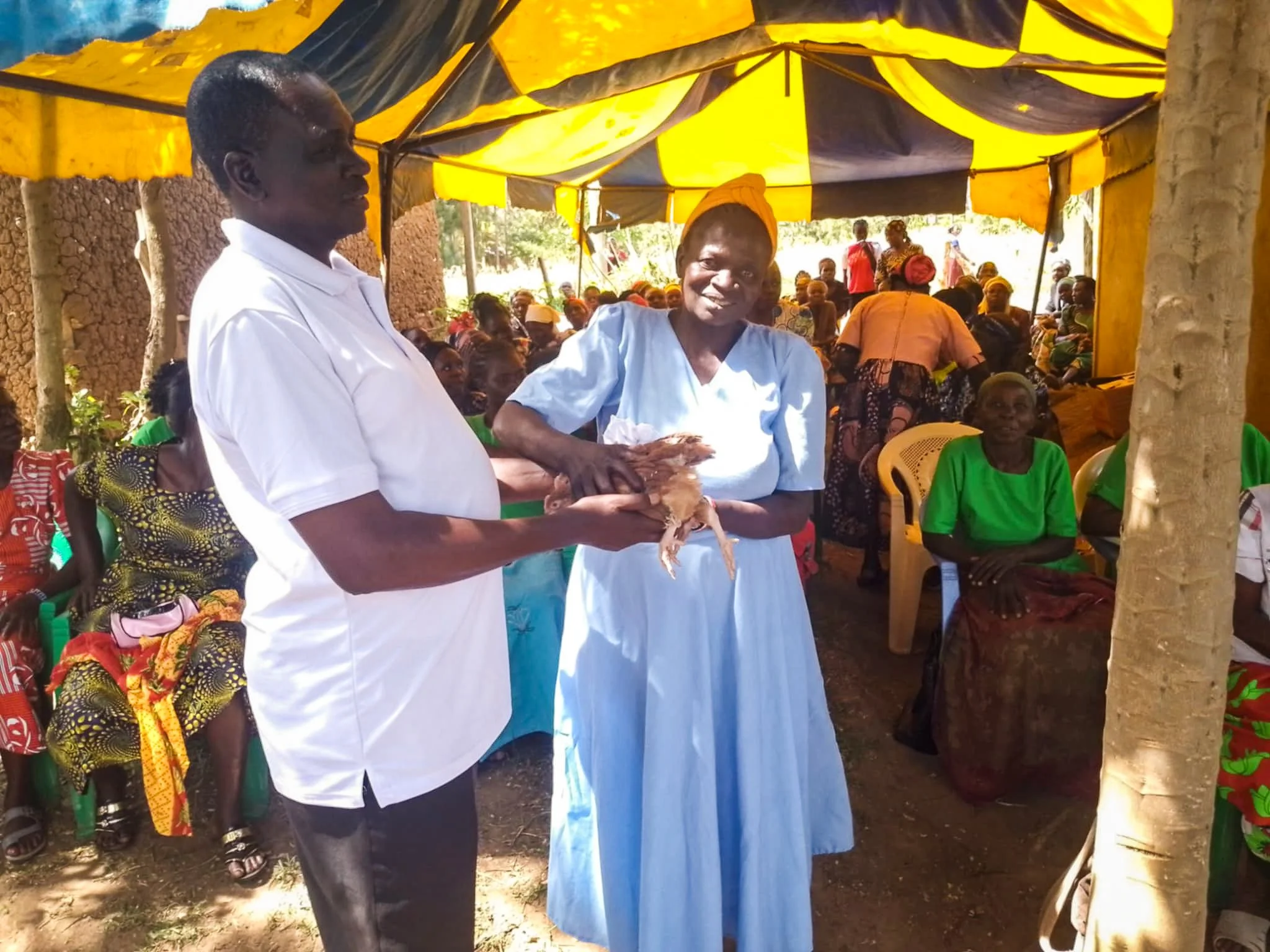
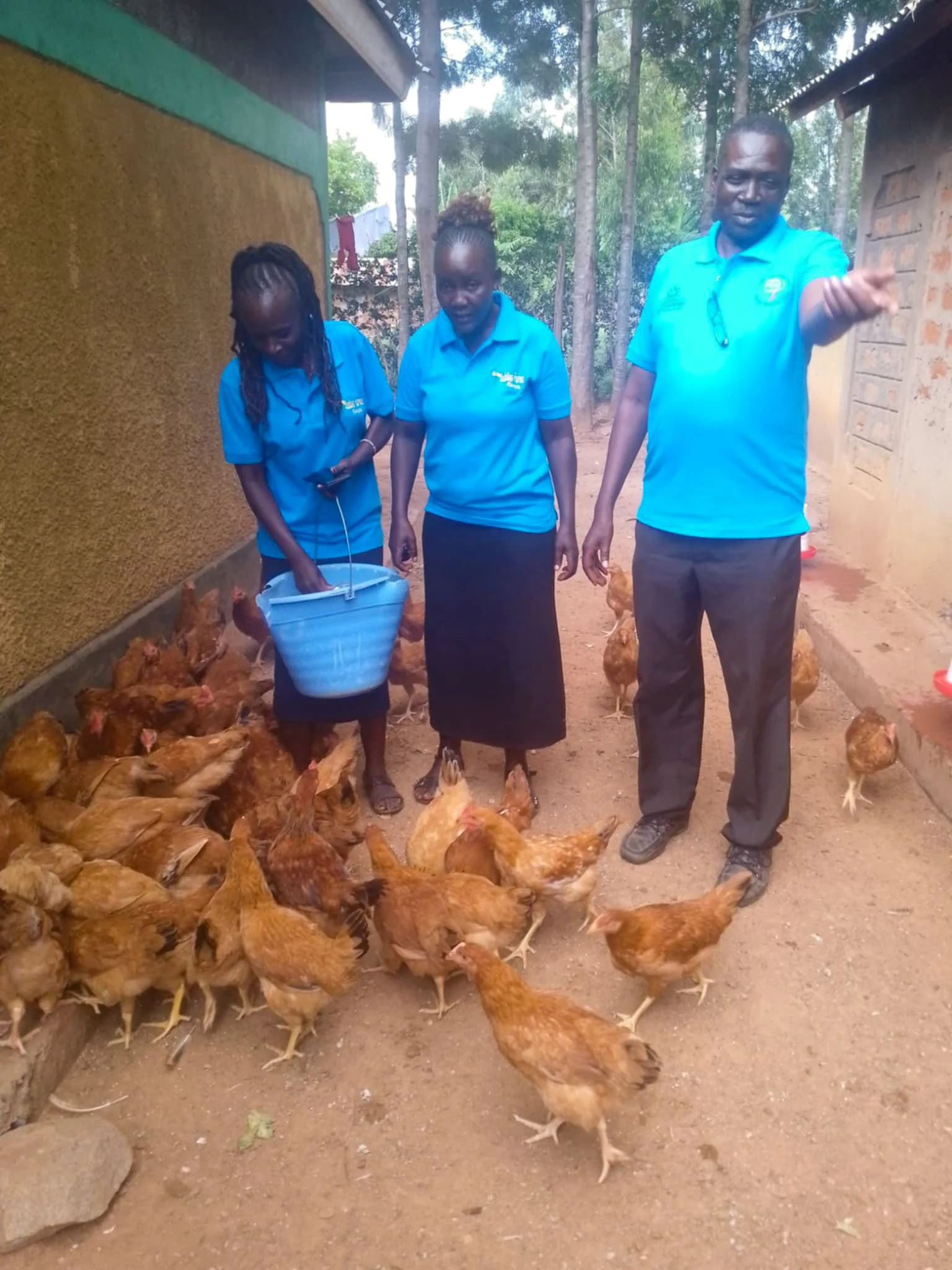
One of Jubilee Farms’ most impactful empowerment programs has been its chicken distribution project.
Silas says:
“We also provide chickens to the neediest families, often widows and others with extreme need. This chicken project has been one of the biggest sources of empowerment.”
Chickens are affordable, reproduce quickly, provide eggs for nutrition, and offer income through sales.
For families facing extreme poverty, a few chickens can become the beginning of economic renewal.
Caring for the Environment — Inside and Out
Jubilee Farms has also developed a department focused on environmental stewardship, but their definition of “environment” is beautifully expansive.
Silas explains:
“Our focus on environment includes the words we use — are we speaking honestly? — and how we take care of our bodies and homes.”
Environmental care includes:
Integrity in speech
Cleanliness in homes
Health in daily life
Stewardship of land and animals
And it also includes reforestation.
“We encourage our people to plant native trees, and the farm has a small, two-acre forest where we plant and transplant native trees.”
This forest has become a habitat for animals, and Jubilee Farms teaches residents not to kill wildlife but to protect it — including endangered snakes.
They even offer snakebite awareness training.
It’s a rare communal approach: protecting both people and biodiversity together.
The Joy of Seeing Lives Rebuilt
Perhaps the most moving part of Silas’ story is his personal motivation.
Despite the scale of the work, he speaks with humility and deep joy.
“Working at Jubilee Farms, I have seen people get skills, become equipped, and successfully build their lives — that is more than enough payment!”
He continues:
“I am happy to volunteer if this is the outcome.”
That is the heart of Jubilee Farms: a vision of agriculture as service, empowerment, and love in action.
Flourishing Through Agriculture
Jubilee Farms is proving something powerful:
Agriculture is not only about food.
It is about training widows to rise again.
It is about youth discovering purpose.
It is about orphans being supported in school.
It is about families receiving tools to thrive.
It is about communities singing together:
“Bule khule — free from hunger, poverty, and oppression.”
From a two-acre demonstration farm, Jubilee Farms is cultivating something far greater than maize.
They are cultivating the Kingdom, right in their home community.