
Seeding Change in Central Asia, Part I: Better Seed Genetics = Better Everything
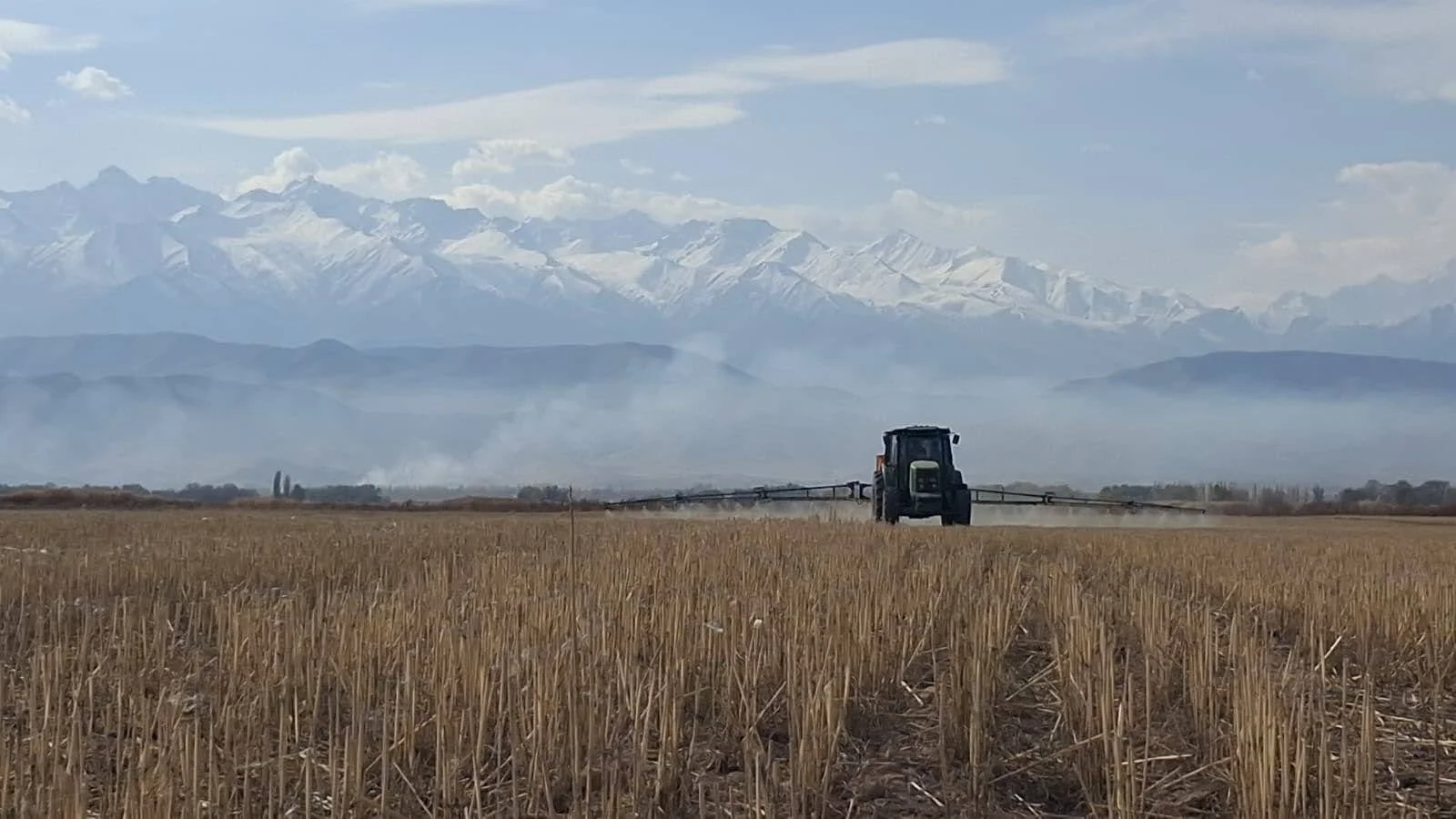
Photo: Applying a bio-stimulant provided by our partner, Integra, to use more natural and regenerative practices.
Last summer, we announced an exciting new investment opportunity in Central Asia…
our impact investor network helped flagship partner, Oasis Agro, purchase 75 hectares (188 acres) of agricultural land outside the city of Bishkek.
The plan? Develop and produce better seeds for farmers in the region.
Now, to a farmer this is incredible news, but to the rest of us, you might be thinking…’So what?’
Seed genetics sit at the very foundation of agriculture. They’re the ‘tech’ required to farm effectively and feed people at scale.
Imagine going to a modern office job with a typewriter, or expecting people to use carrier pigeons to send messages or to save their work on floppy disks! That’s what it’s like to be a farmer working with poor quality/outdated seeds. You may get a crop, but the yield is almost certainly going to be smaller, the plants more vulnerable, the nutritional benefit lower.
Cue the Seed Farm
This is a dedicated space for cultivating higher quality seed to ensure our growing farmer network across Central Asia has one more tool they need to grow their food, their farm, and their quality of life.
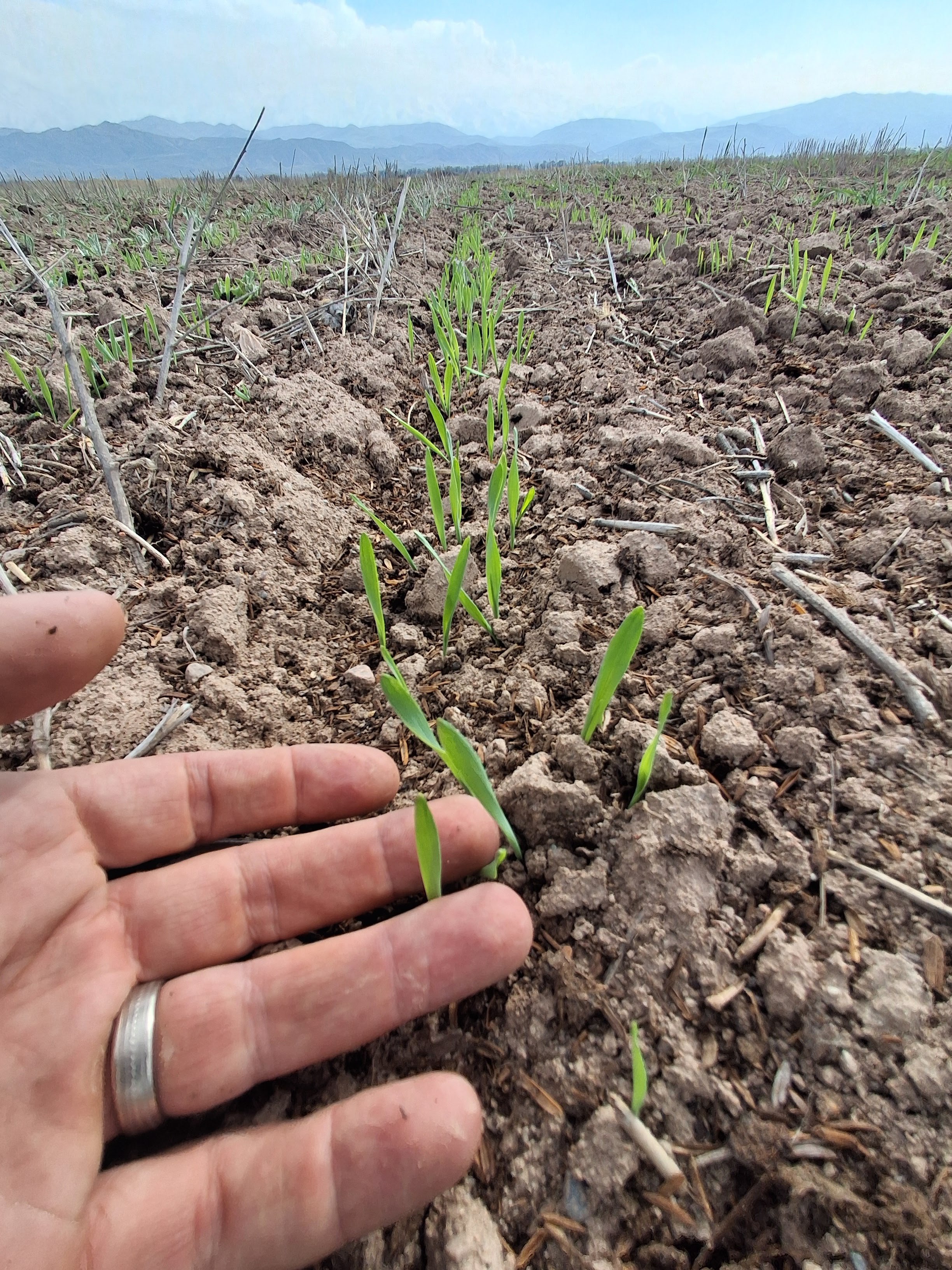
Before fertilizers, irrigation, or machinery even matter, the genetic potential of a seed determines what a plant can become, and in a place like Central Asia, where salty soil, water shortages, ever-changing weather, excessive pesticide use, and a litany of other potential setbacks are on every farmer’s doorstep, seed genetics become critical.
Leading this effort is agronomist Ben Brimlow, whose journey from the US American agricultural industry to Central Asia reflects both a professional calling and a deeply personal mission.
What’s unfolding on this farm is more than a project—it’s an experiment in sustainability, innovation, and long-term impact.
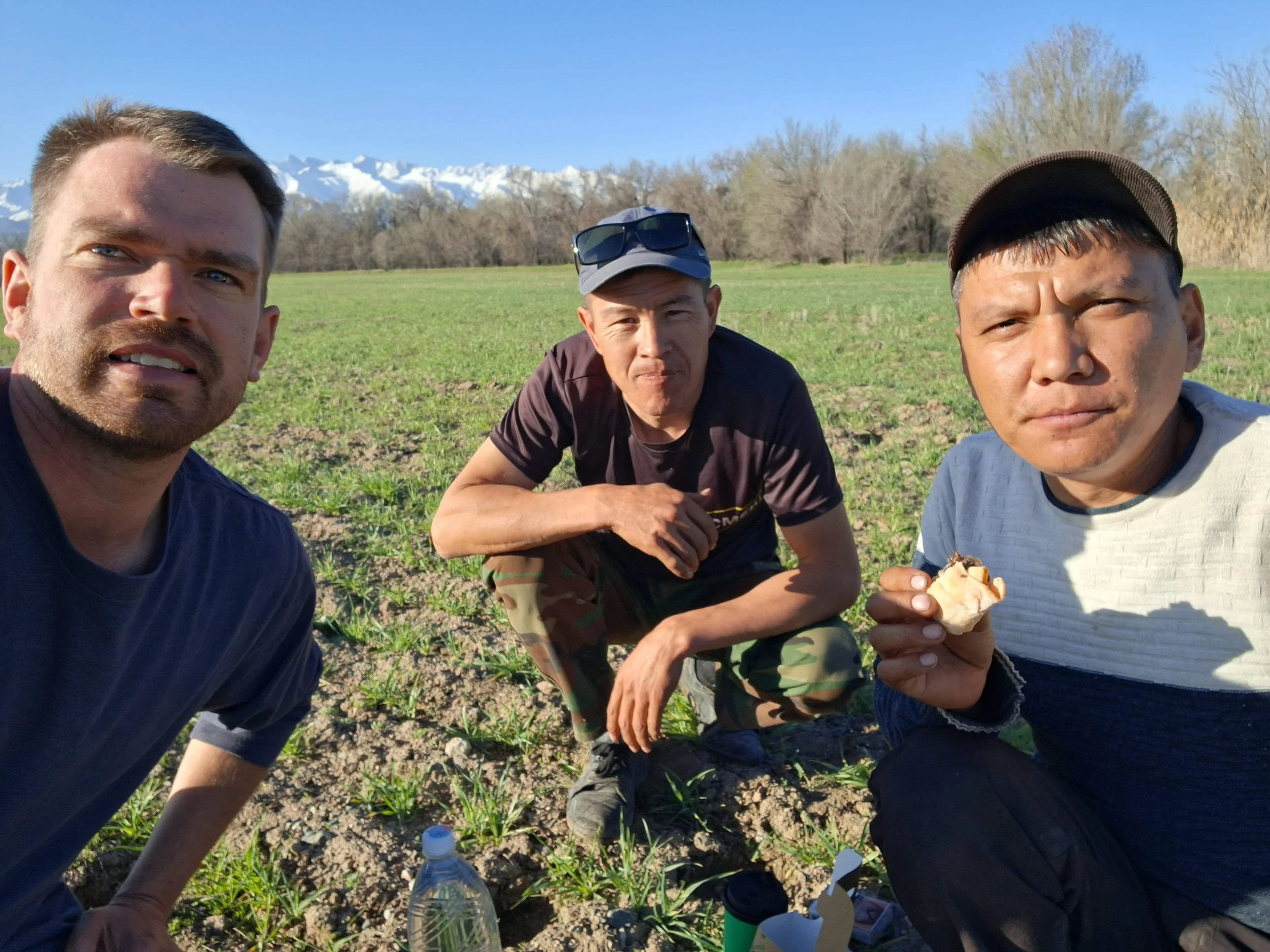
Photo: Ben Brimlow (left) taking a quick break with local farm operators.
A “Triple Threat” Approach to Agriculture
When Ben talks about the purpose of the seed farm, he describes it as a “triple threat” — a three part benefit of the farm.
The first part is simple: the farm operates as a commercial entity, producing high-quality crops that support Oasis Agro’s feedstock needs. In a region where consistency and quality can be difficult to maintain, this alone is significant.
Reliable production creates stability—not just for the farm itself, but for the broader agricultural ecosystem it feeds into.
The second part is where things get interesting.
The farm doubles as a testing ground, where new seed varieties, technologies, and farming practices are trialed under real local conditions. This isn’t theoretical research happening in controlled environments—it’s practical, field-based experimentation.
Already, the team is testing three different seed genetics sourced from the USDA’s seed preservation program in the United States. The goal is simple but critical: figure out what actually works in Kyrgyzstan’s unique climate and soil.
Not every seed that performs well elsewhere will thrive here, so identifying resilient, high-performing varieties is key.
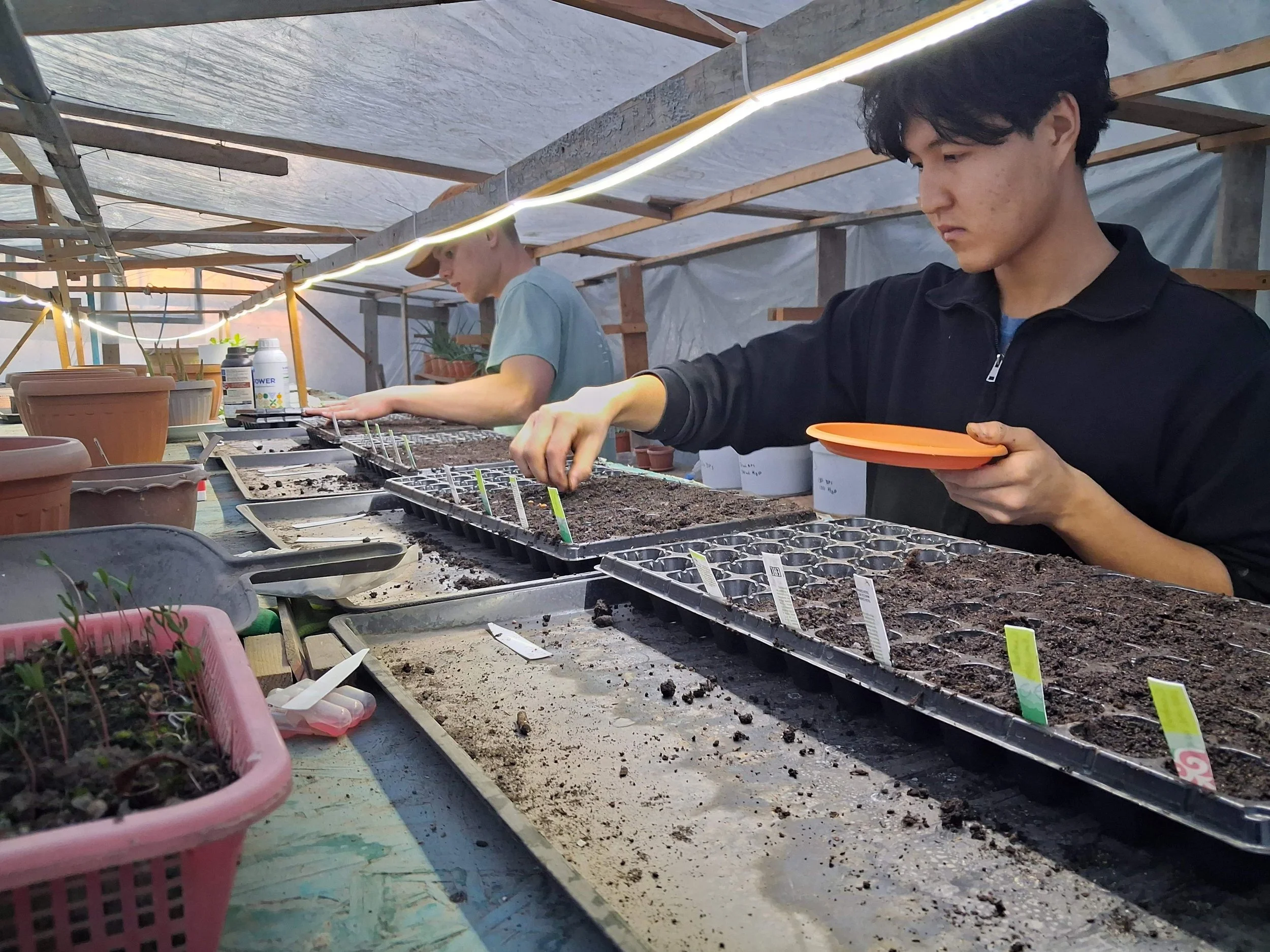
Photo: Planting seed varieties.
Alongside seed trials, the farm is experimenting with emerging technologies.
One example is nitrogen testing combined with plasma-activated water—a method that could allow farmers to generate their own nitrogen inputs on-site, reducing reliance on traditional fertilizers. In a region where access to inputs can be inconsistent or expensive, that kind of innovation has real implications.
These trials aren’t happening in isolation.
The farm is also a demonstration site, where local farmers and agricultural leaders can see these approaches in action. Training and knowledge-sharing are built into the model, creating a bridge between innovation and adoption.
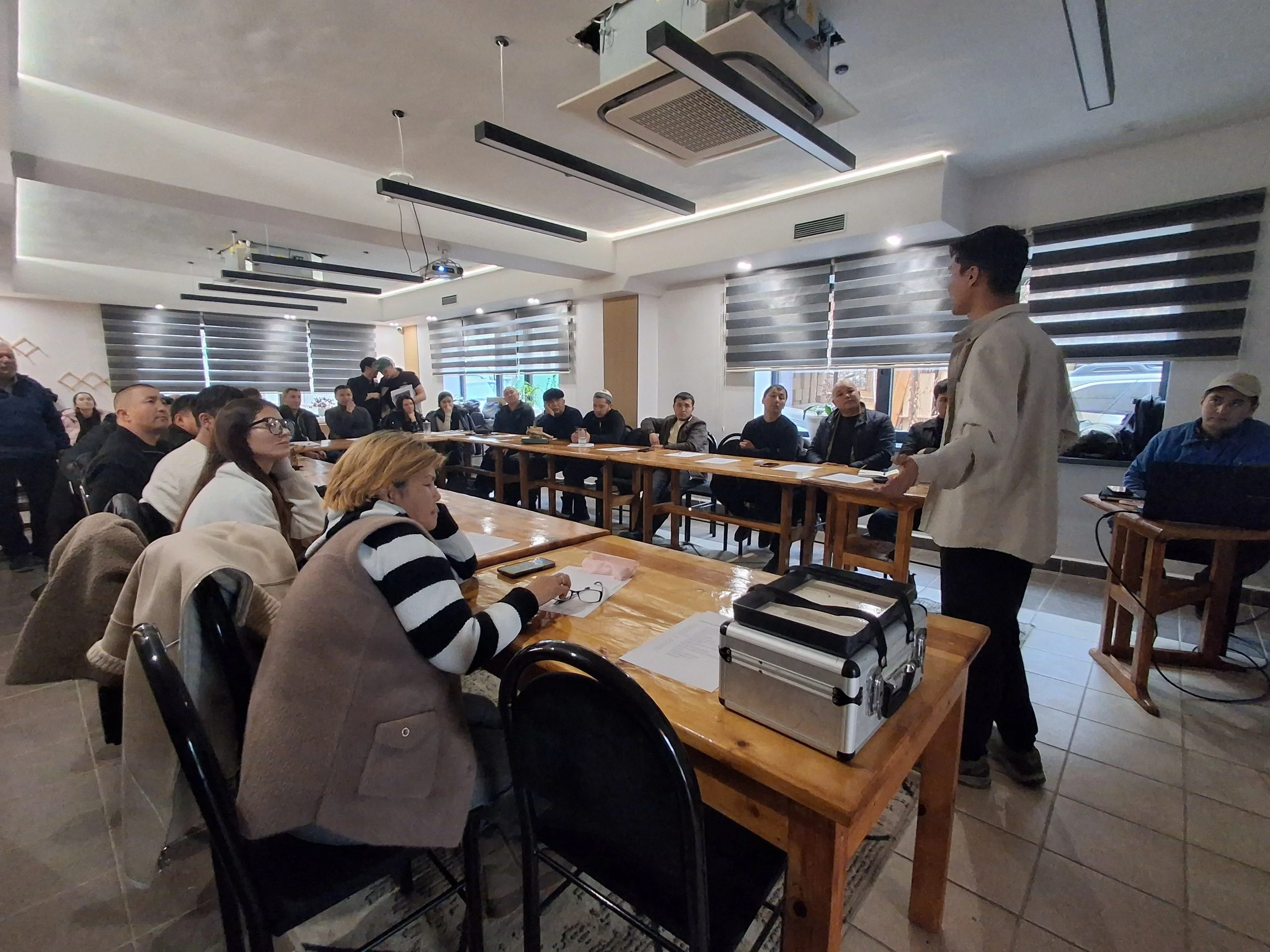
Photo: Oasis Agro employees gather for presentations and training.
The third—and most impactful—’threat’ brings it all together:
The seed farm serves as a hub for improving and distributing high-quality genetics across the region. For farmers, the quality of seed is one of the most important factors in determining the success of a season. Starting with strong, well-adapted genetics can mean all the difference.
By focusing on seed stewardship—selecting, improving, and multiplying the best-performing varieties—the farm aims to give farmers a stronger starting point. It’s a foundational change, one that can ripple outward season after season.
Demonstrating a Different Way to Farm
Beyond seeds and inputs, the farm is also challenging conventional practices.
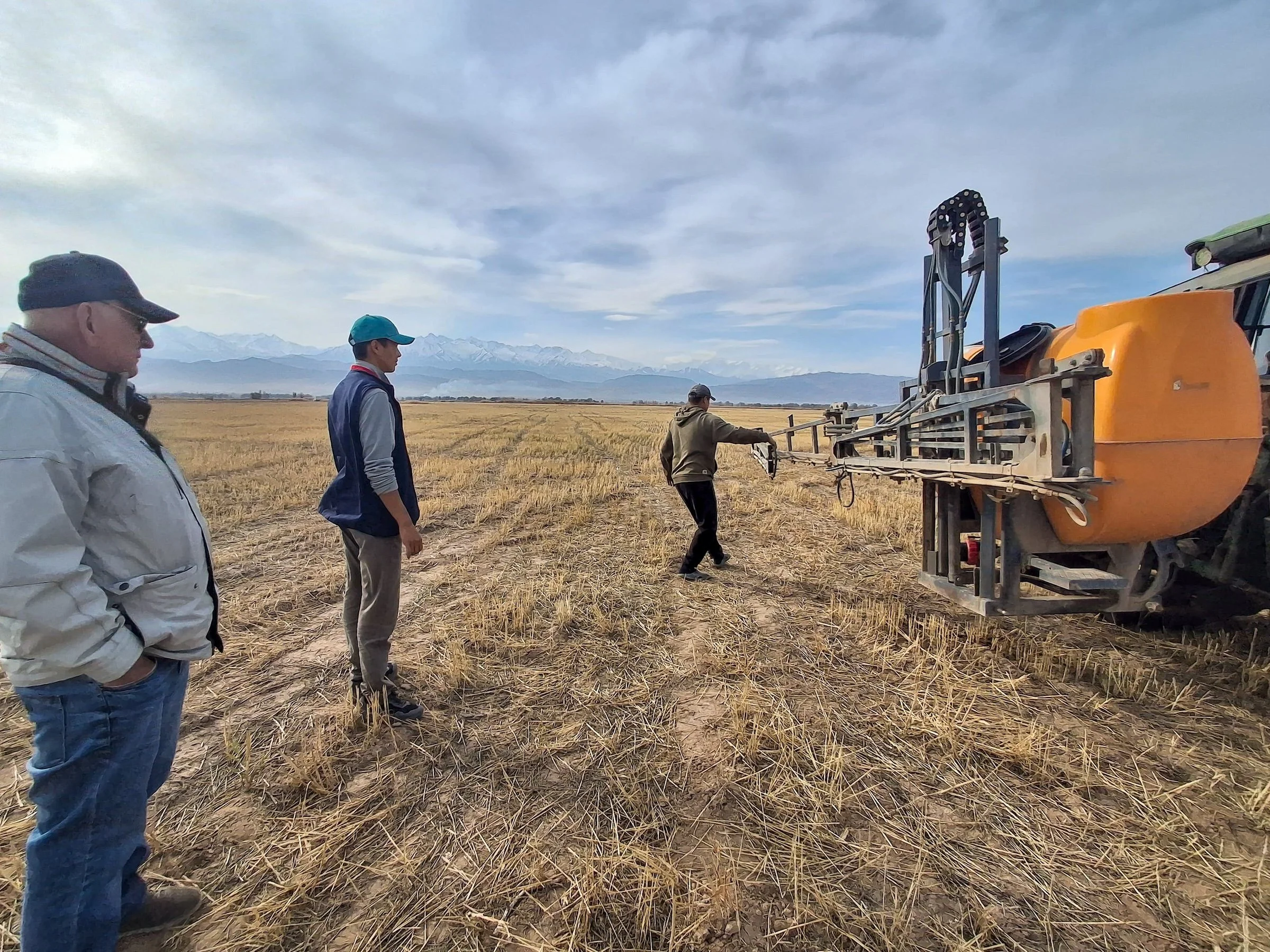
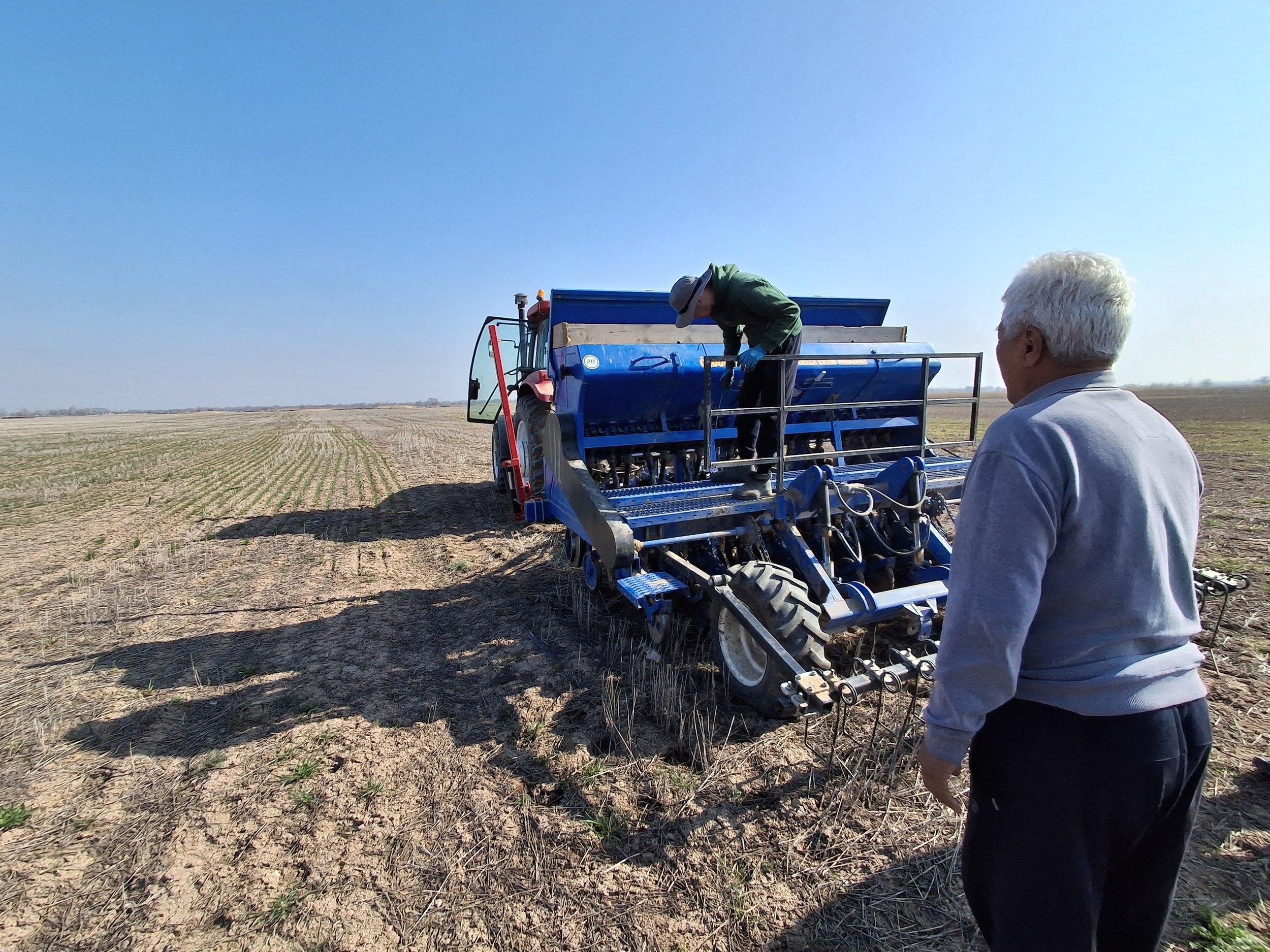
One example is the introduction of no-till farming techniques, particularly for crops like corn. In many parts of the world, no-till has gained traction as a way to preserve soil structure, reduce erosion, and improve long-term productivity. But in Kyrgyzstan, as in many regions, traditional methods still dominate.
The farm provides a space to show how alternatives look—not in theory, but in practice. Farmers can see the results firsthand, compare outcomes, and evaluate whether these approaches make sense for their own operations.
There’s a broader vision behind this: raising the overall standard of agriculture in the country. By introducing more sustainable and efficient methods, the hope is not just to improve individual farms, but to elevate the entire system.
It’s an ambitious goal, but one grounded in practical steps—testing, demonstrating, and sharing what works.
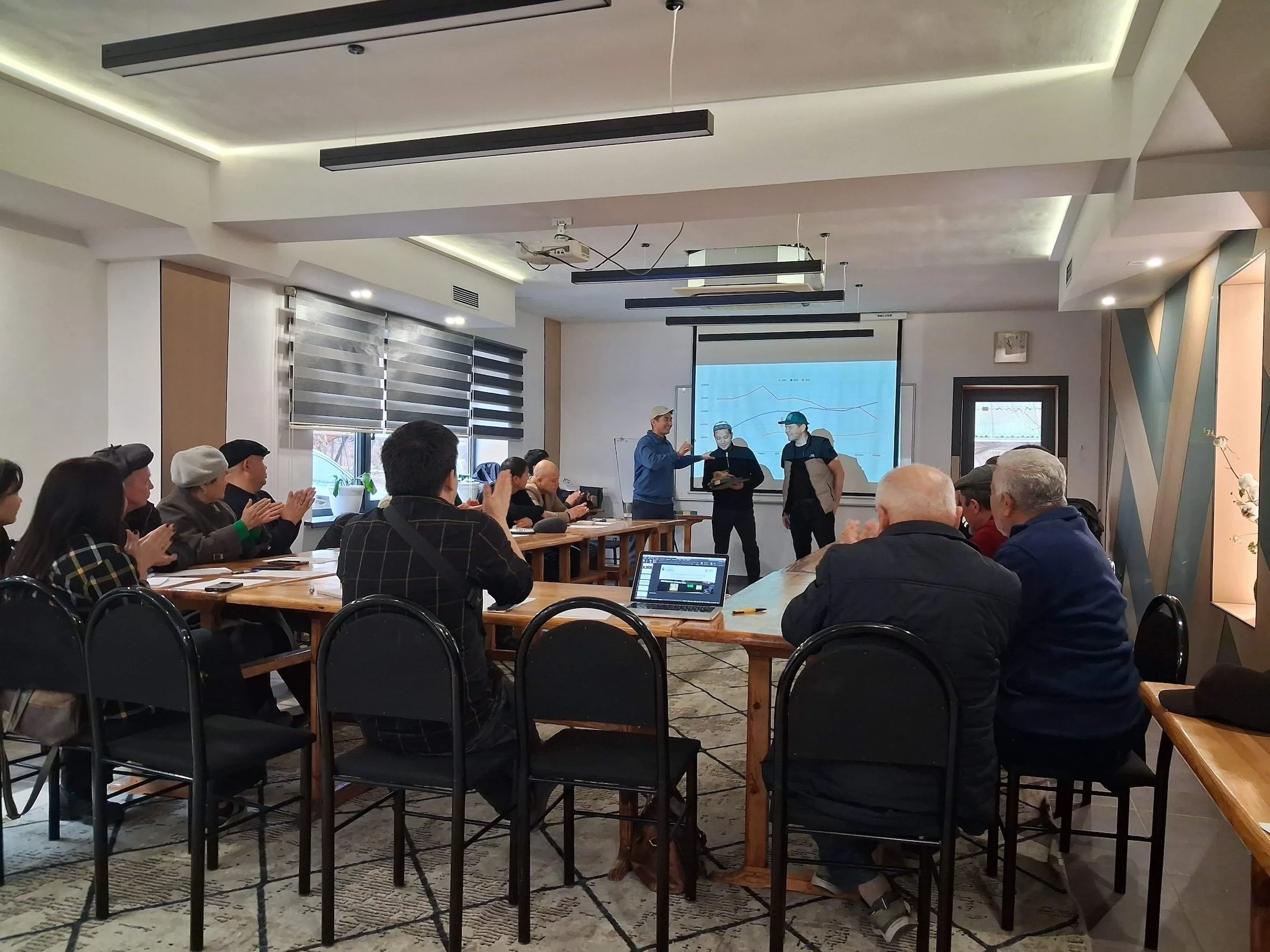
Photo: An Oasis Agro team gathering/celebration.
Easy-to-Miss Impact
From the outside, a seed farm might not seem like a groundbreaking idea. But in the right context, with the right approach, it can become a catalyst for change.
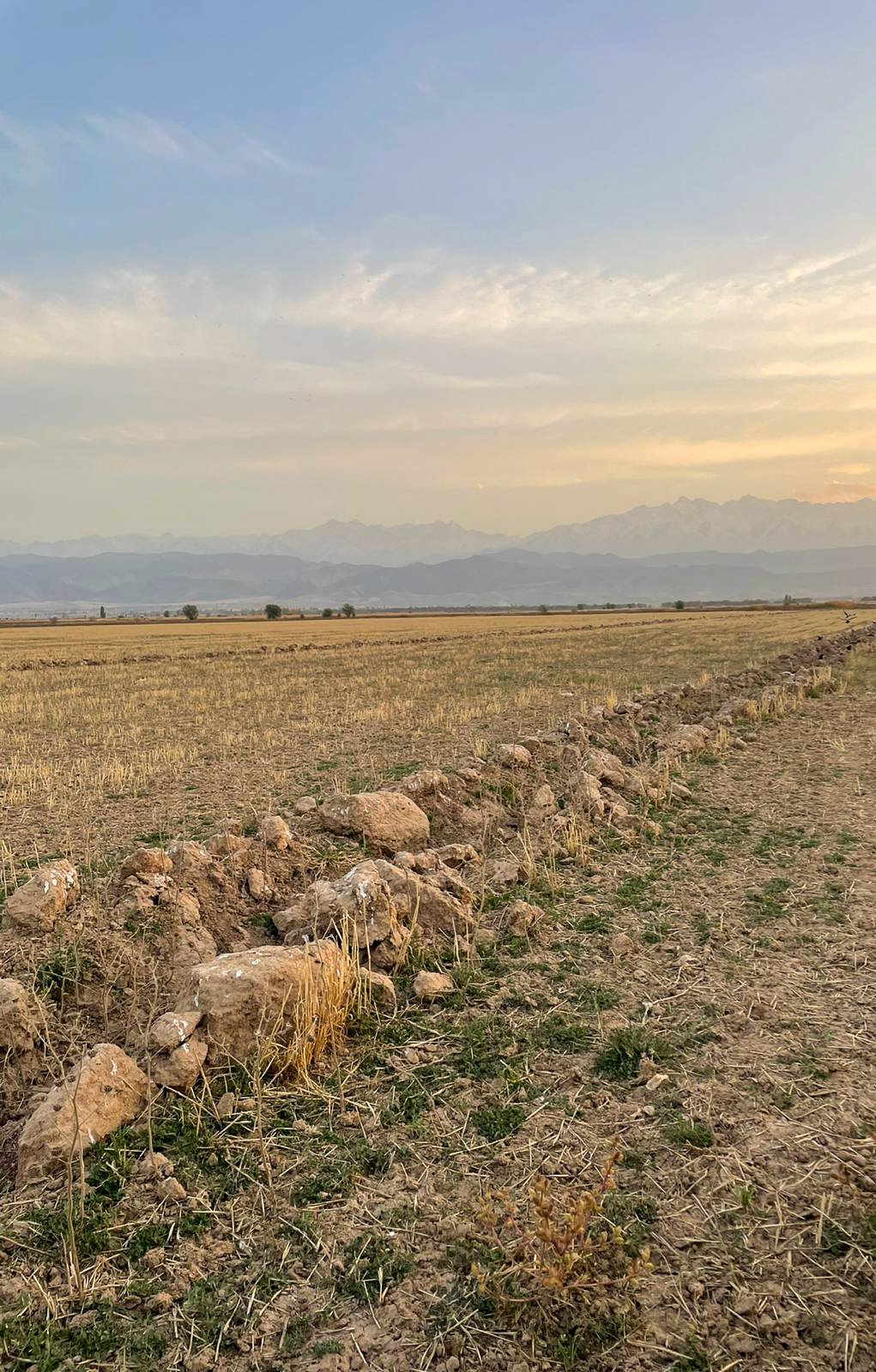
Photo: The Seed Farm at sunset.
In Kyrgyzstan, that change is just taking shape. These slower rhythms of development that truly lasts are a testament to Ben’s faith but also to yours. As our funding community, you give and invest knowing this work will take time. Farmers plant knowing fruit may or may not come, time will tell, and we develop better genetics by the same faith.
Fields are being planted with new genetics. Trials are underway. Farmers are observing, asking questions, and considering new possibilities. It’s early, but the groundwork is being laid.
For Ben and his family, the move represents a convergence of experience, purpose, and belief. It’s not without difficulties, but it’s aligned with something they’ve been working toward for years.
And for the region, the impact—if the vision holds—could be significant. Better seeds, better practices, and a stronger agricultural foundation can ripple outward, affecting not just farms, but whole regions.
In the end, it all starts with a simple idea: help farmers start the season off strong, confident in what and how they’re planting.